| Homepage Ralph Häussler |
|
also try out: EPONA MAIN PAGE | HORSE DEITIES | HORSE ARCHAEOLOGY | HORSEMANSHIP, ANTIQUITY | CAMARGUE HORSE |
Celtic, Celtiberian, Romano-Celtic Horse Deities
Page is work-in-progress. It's such a big topic... // Diese Seite ist noch im Aufbau.
All photos (c) R.H.
Further reading, see for example my paper "How to identify Celtic Religion" from 2007 which discusses Epona and the "Jupiter" on horseback riding over snake-like giant-columns from Roman times (link to academia.edu)
All photos (c) R.H.
Further reading, see for example my paper "How to identify Celtic Religion" from 2007 which discusses Epona and the "Jupiter" on horseback riding over snake-like giant-columns from Roman times (link to academia.edu)
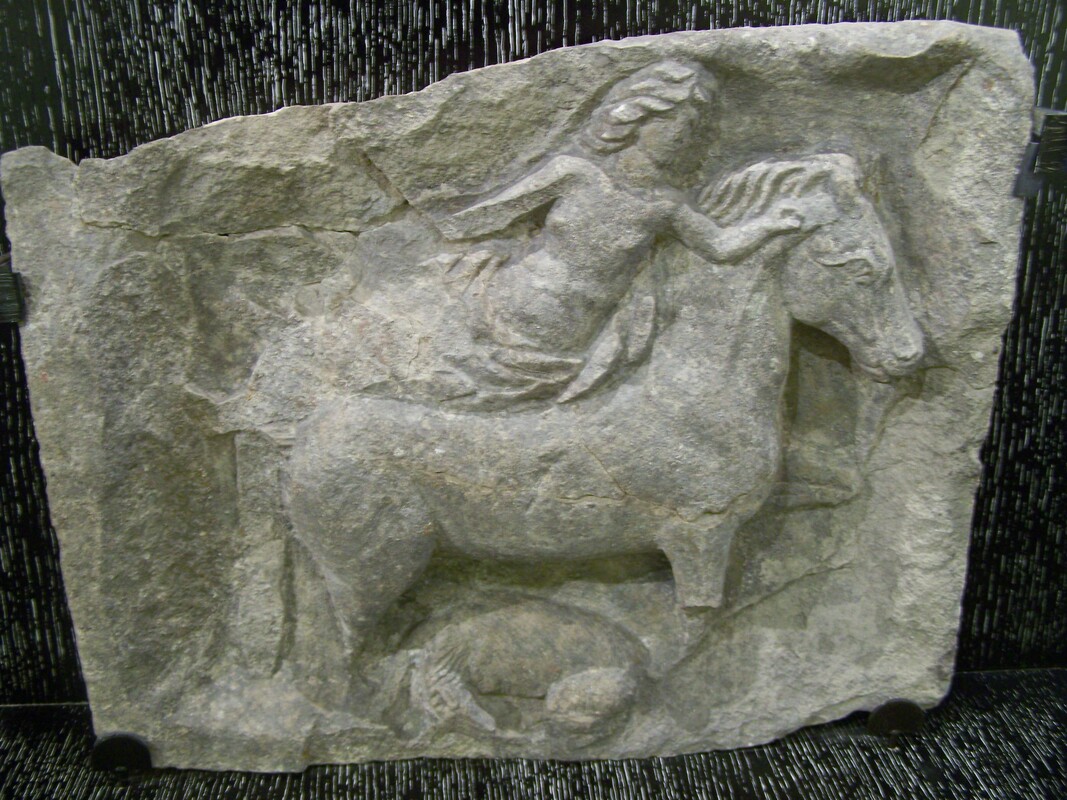
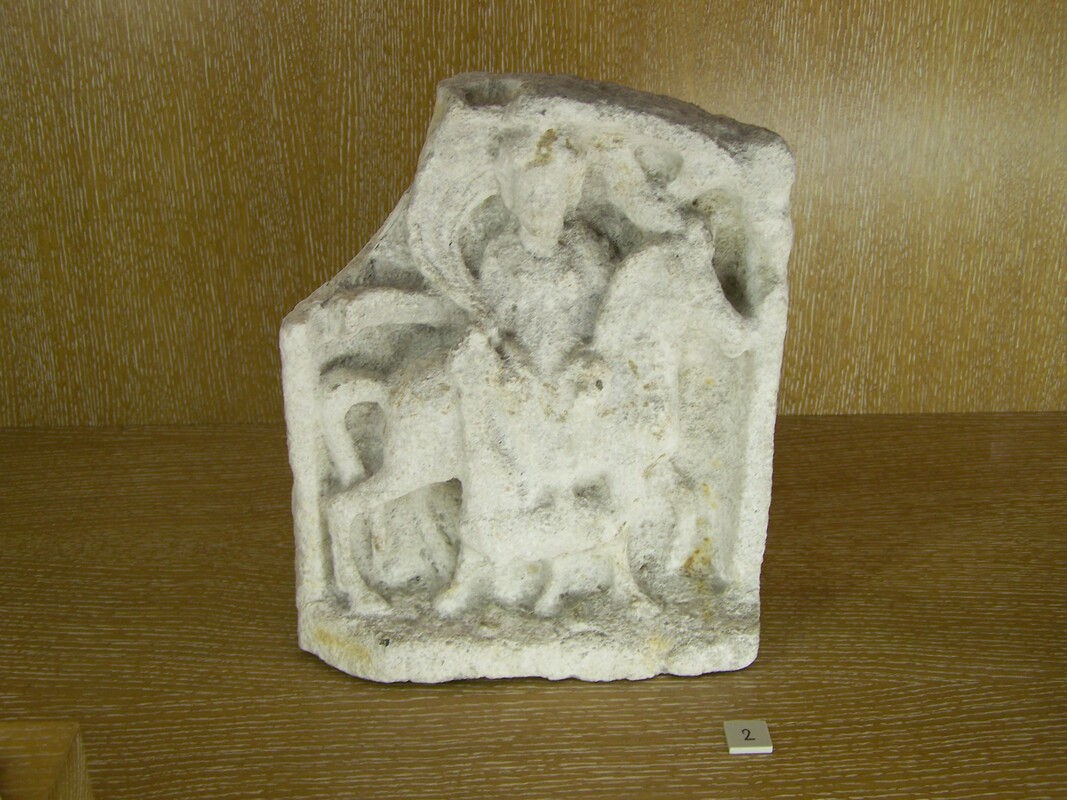
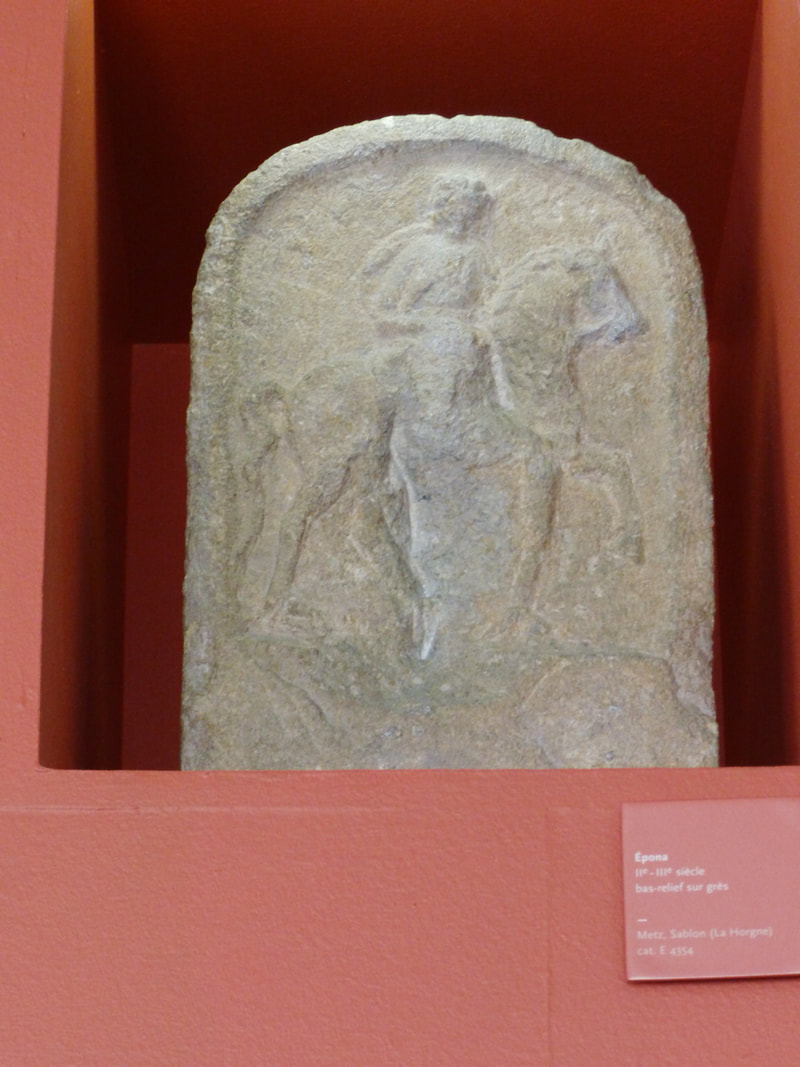
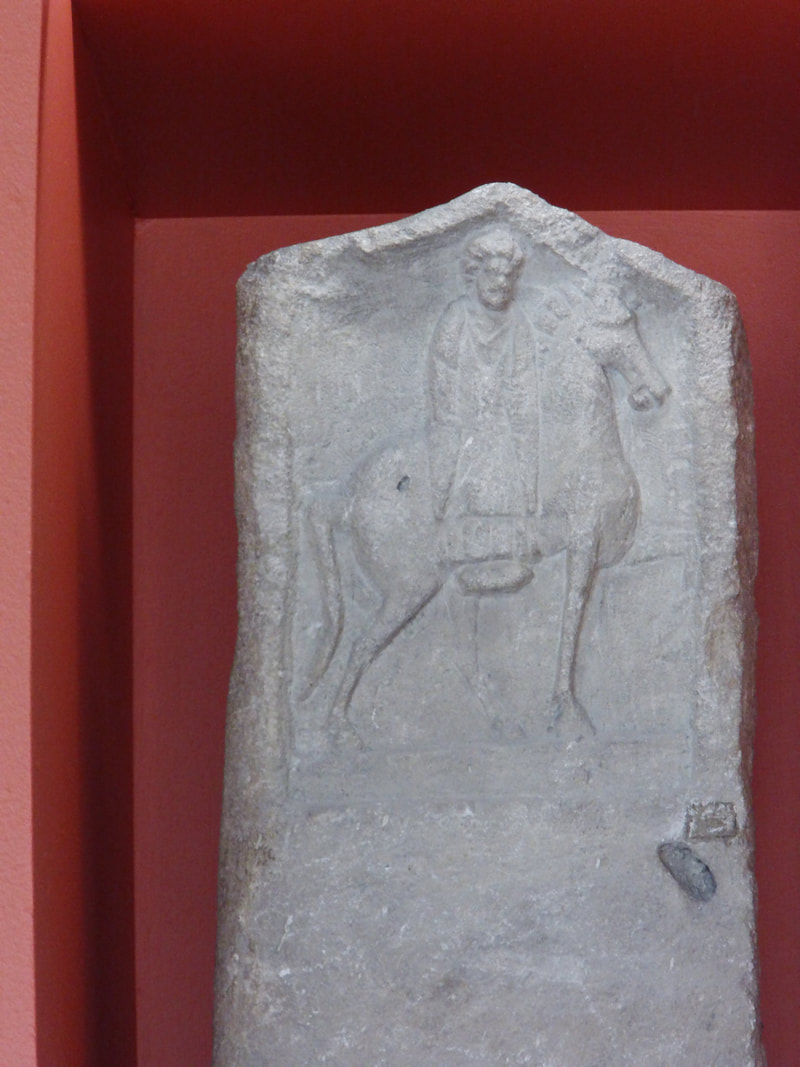
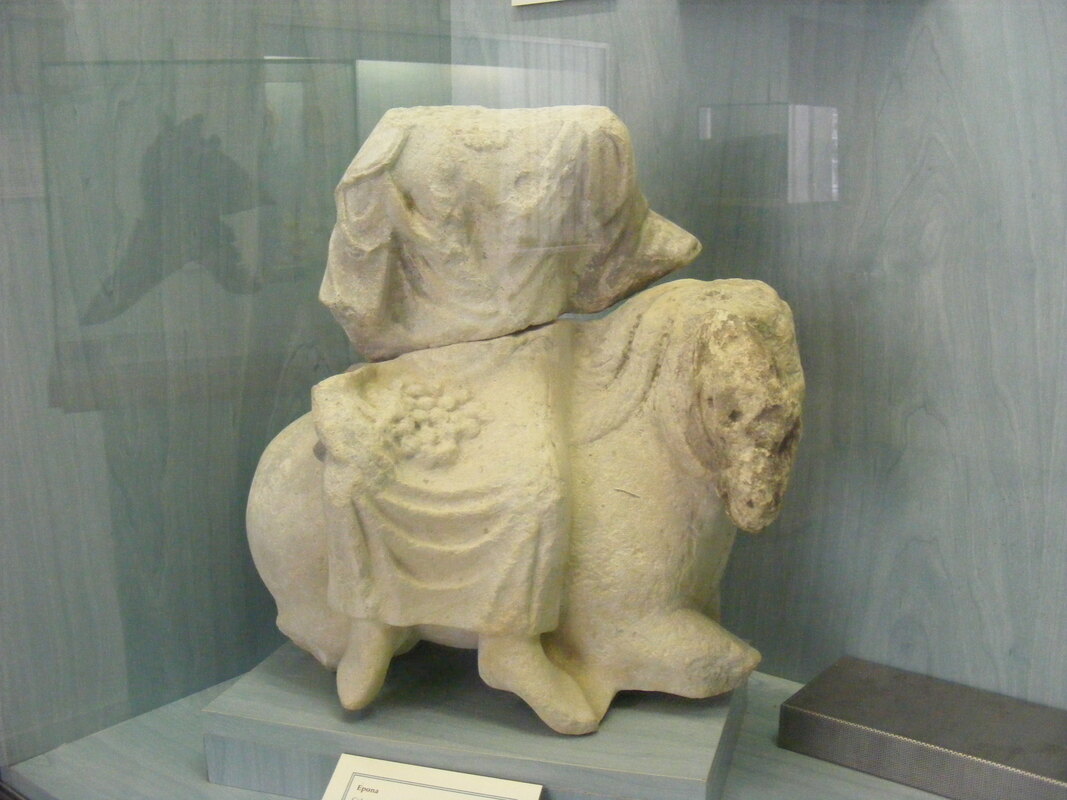
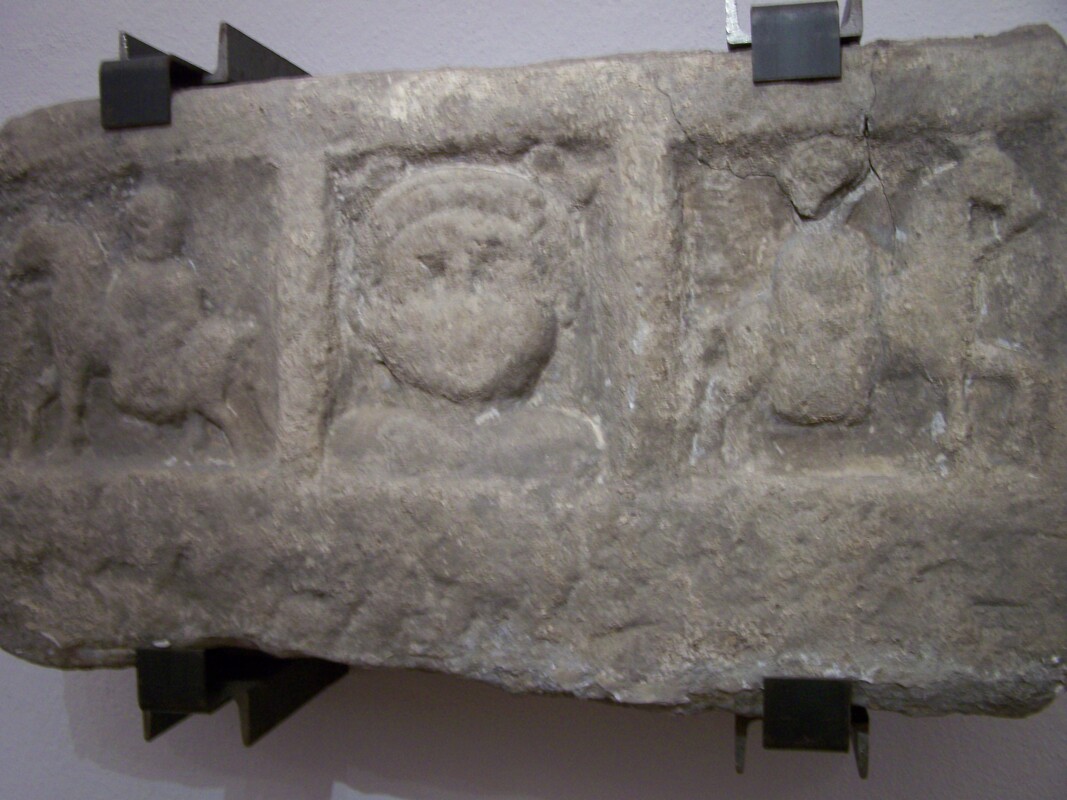
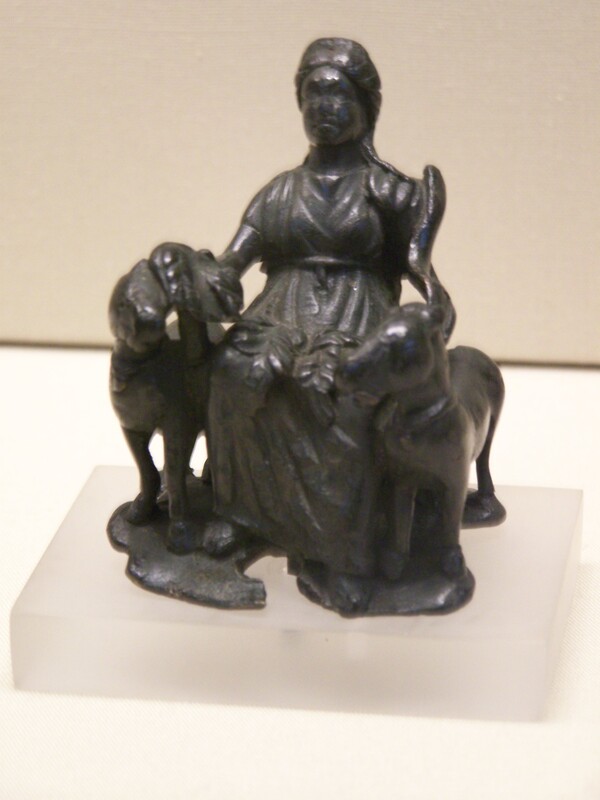
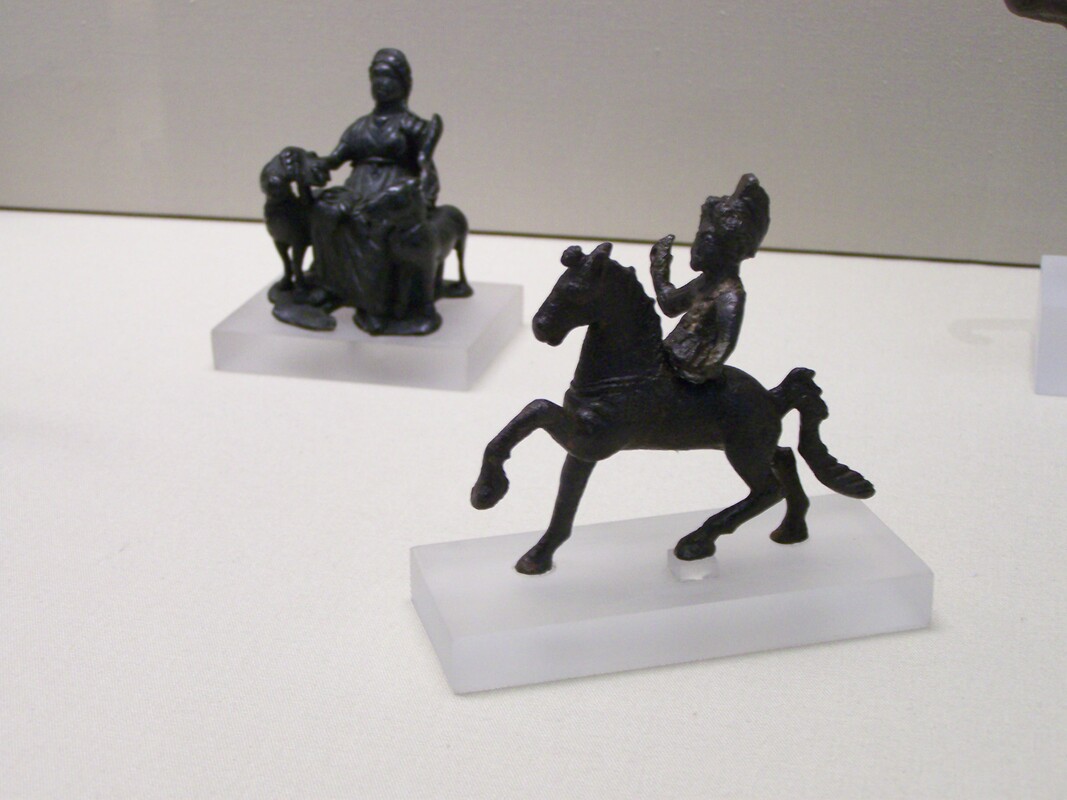
EPONA - Celtic horse goddess / Keltische Pferdegöttin // Déesse celtique du chevalEpona is probably one of the most well-known horse deities. Though her name is clearly of Celtic origin - epos 'horse' - she became popular in Roman times. She was a chthonic goddess, providing fertility and fecundity for humans, animals and earth. Below just some images of Epona sculptures here. But see my discussion on the EPONA PAGE when I discuss "Celtic" and "Romano-Celtic" religions.
Also see the burial of a mare and her foal under a hexagonal temple in Roman Britain: click here. Click on image for further information and to enlarge image.
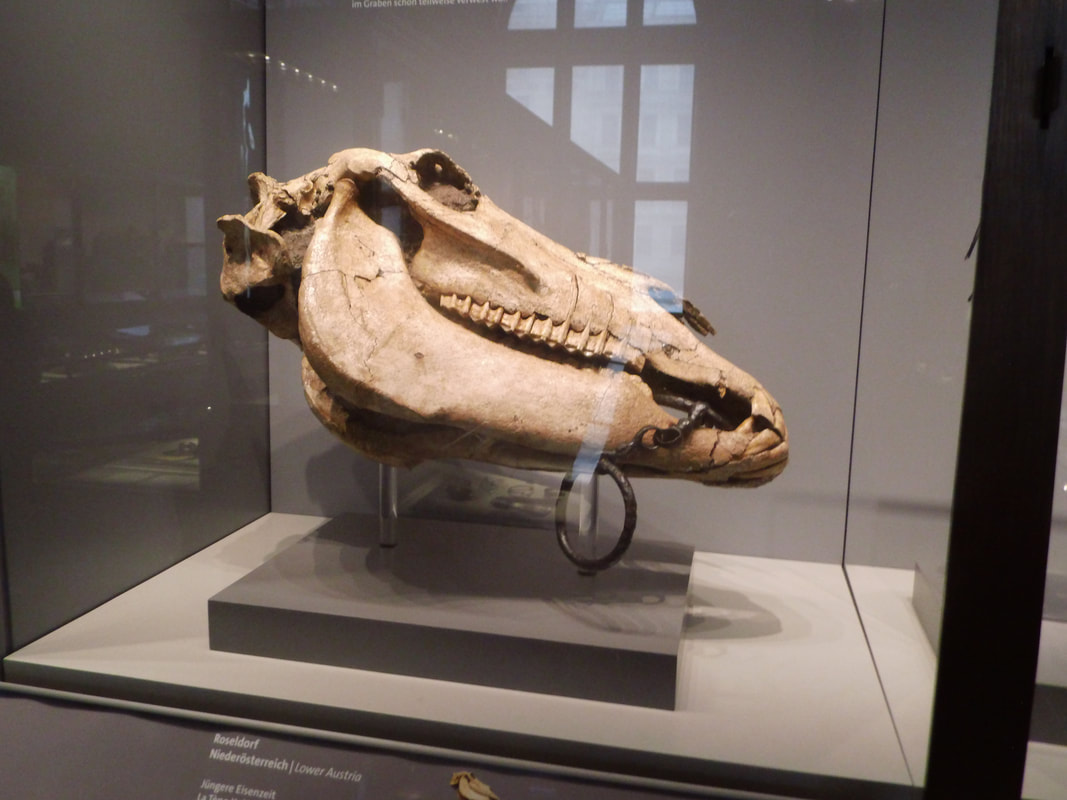
Chthonic Horses & Funerary Cult in the Iron Age | les chevaux chtoniens et le culte funéraire
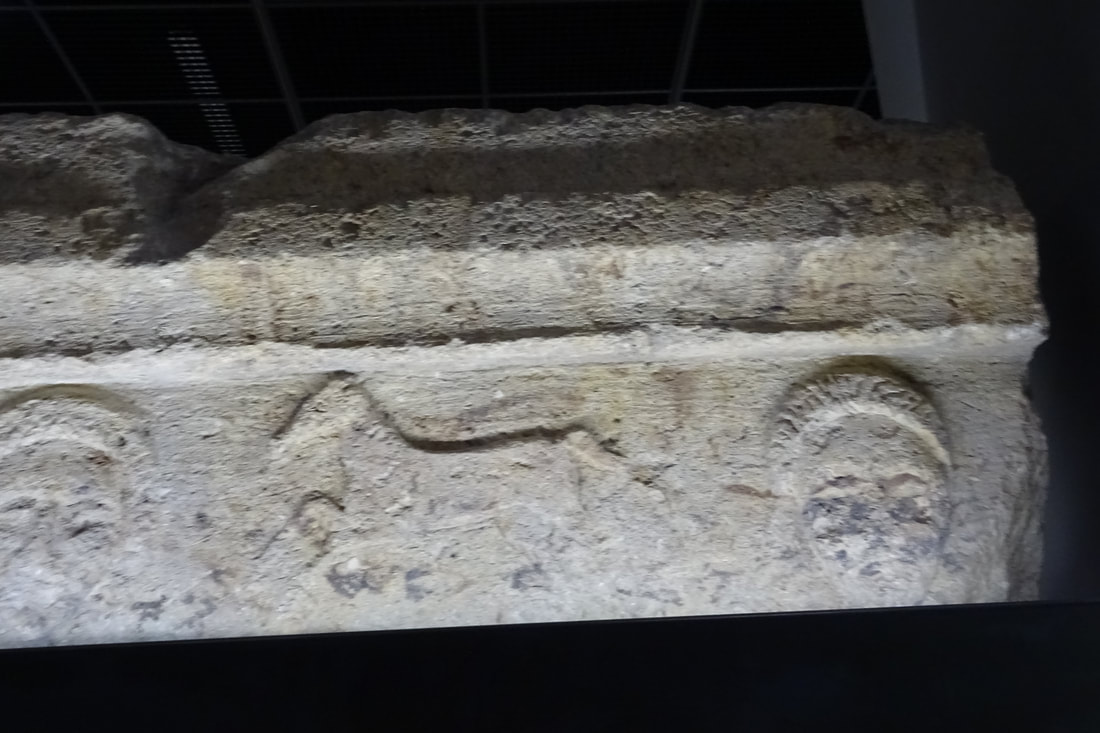
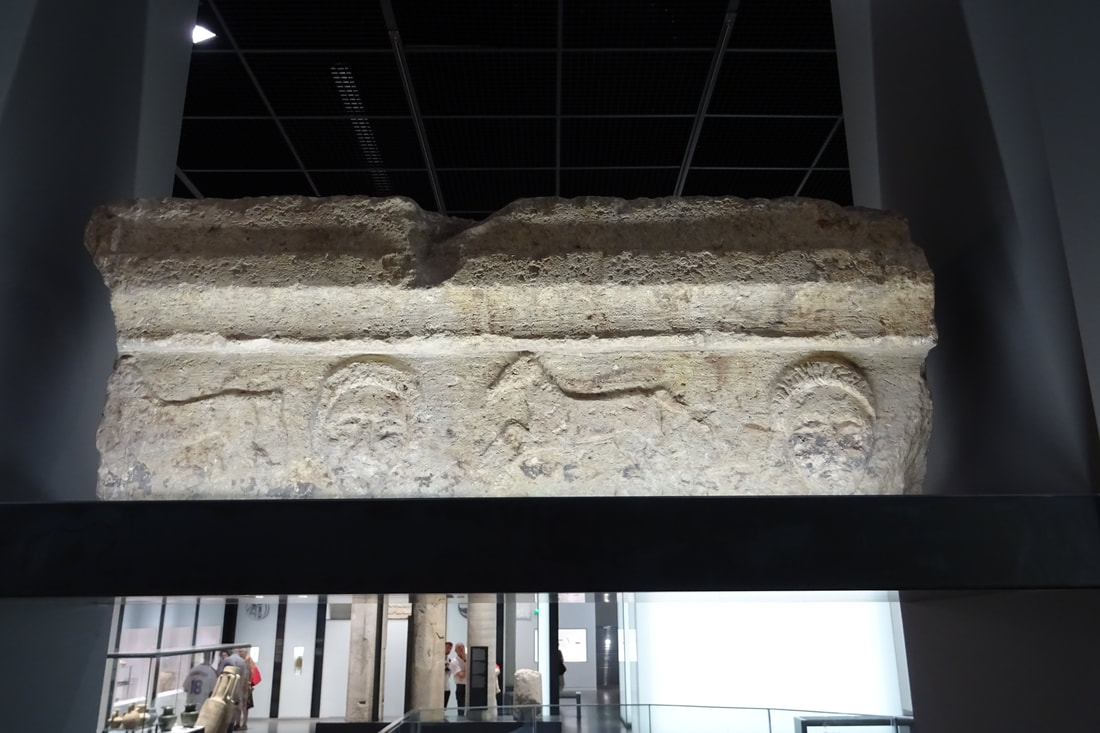
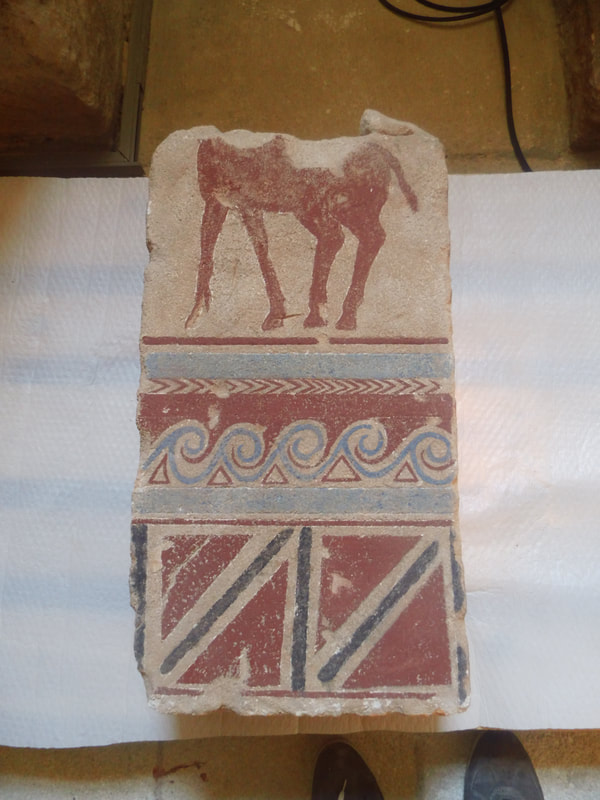
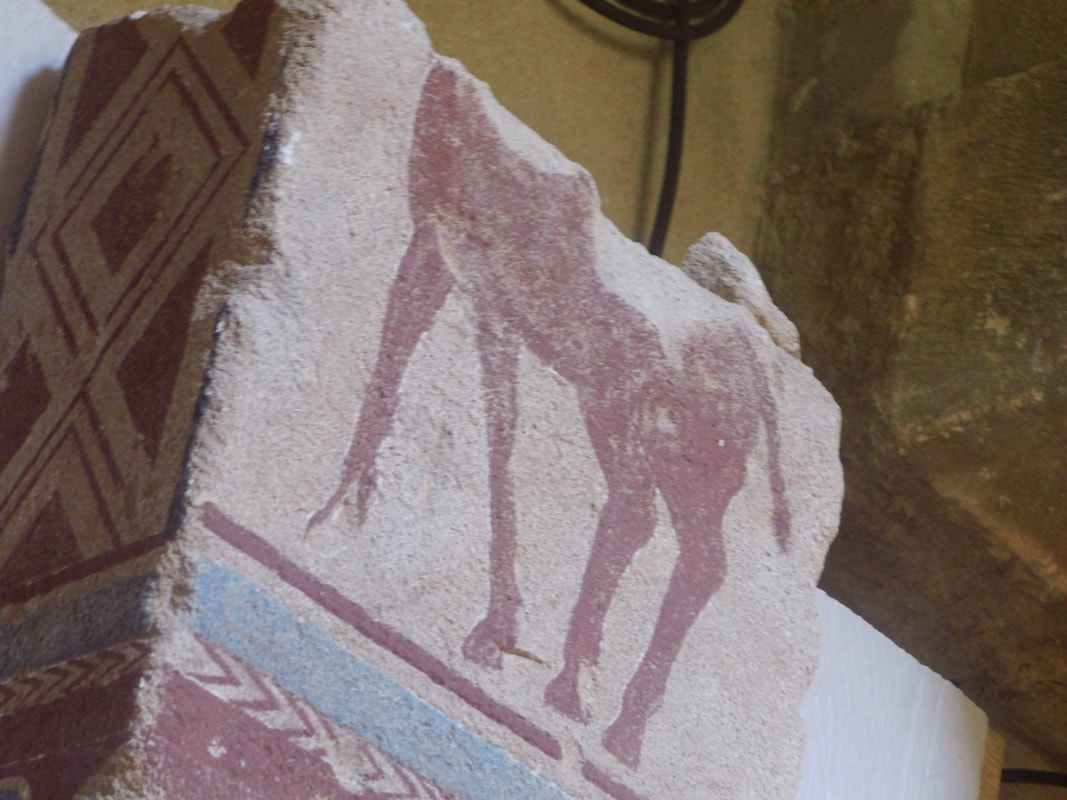
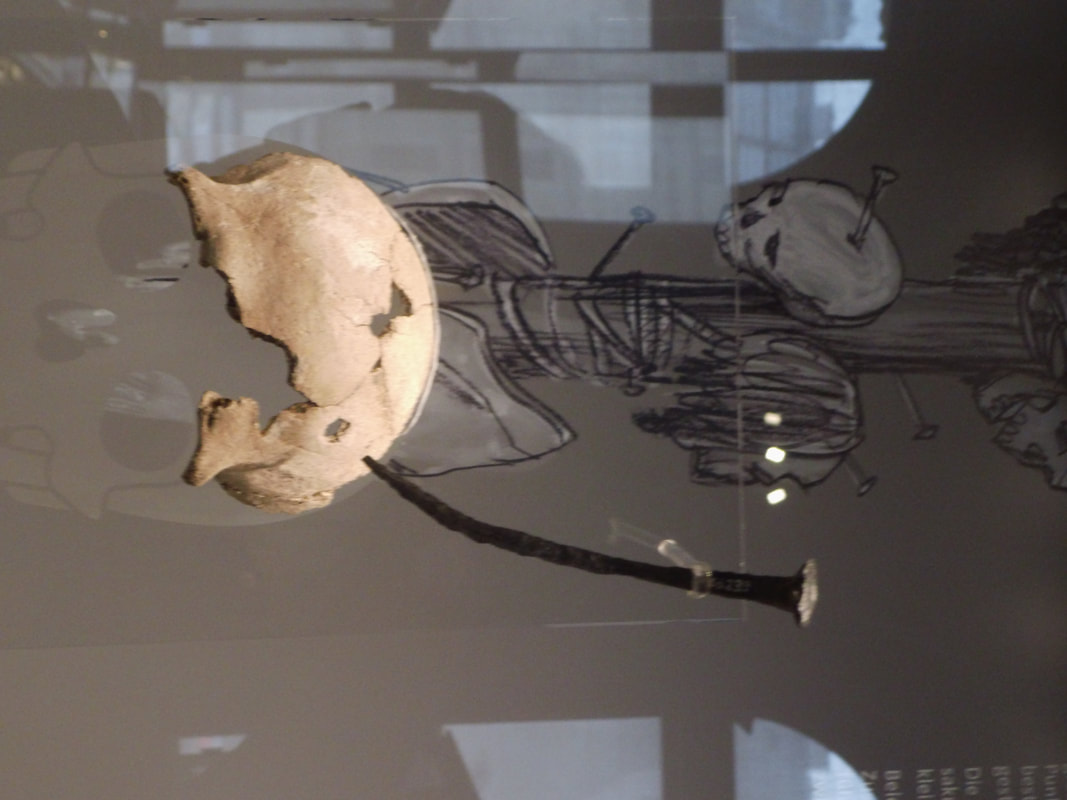
The horse seems to play a particular role in southern Gaul as see from the Iron Age art from major sites, like Nîmes and Glanum. They were discovered in the same context as sculptures of humans (ancestors?), of human heads and human skulls. This may suggest a chthonic connection of the horse, for example, bringing the souls of the deceased to the otherworld. But this connection to the underworld is also something we see in the context of Epona: she can also appear in a funerary context...
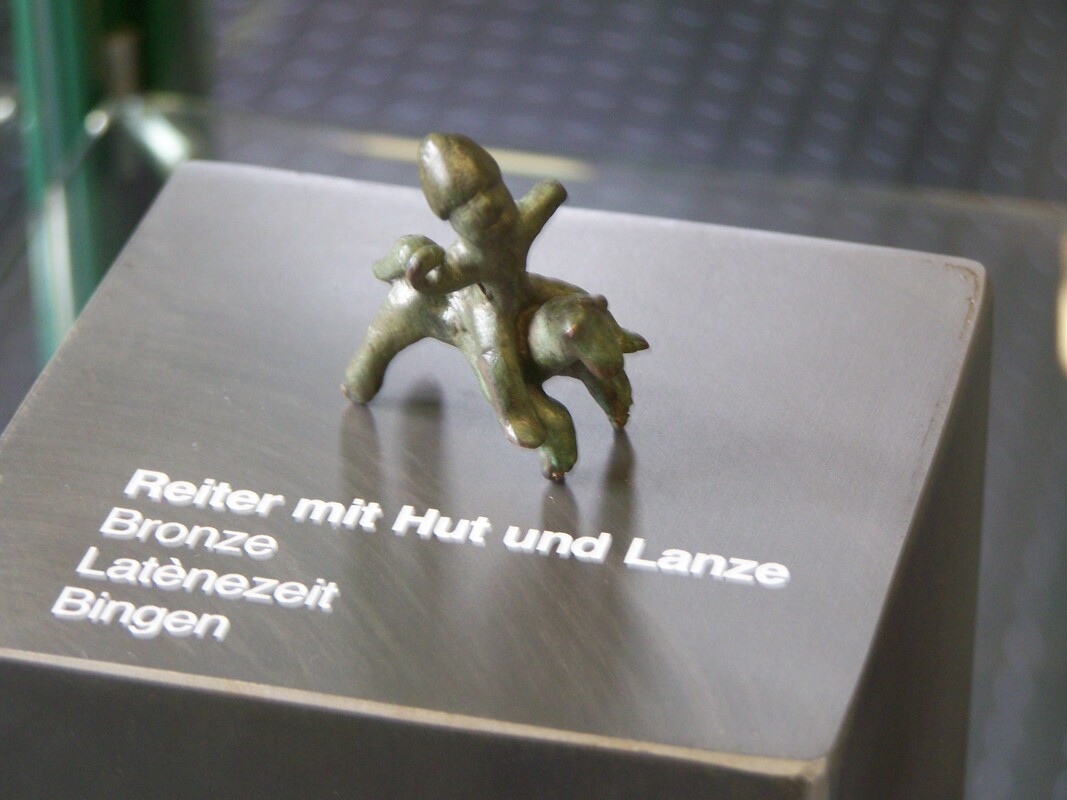
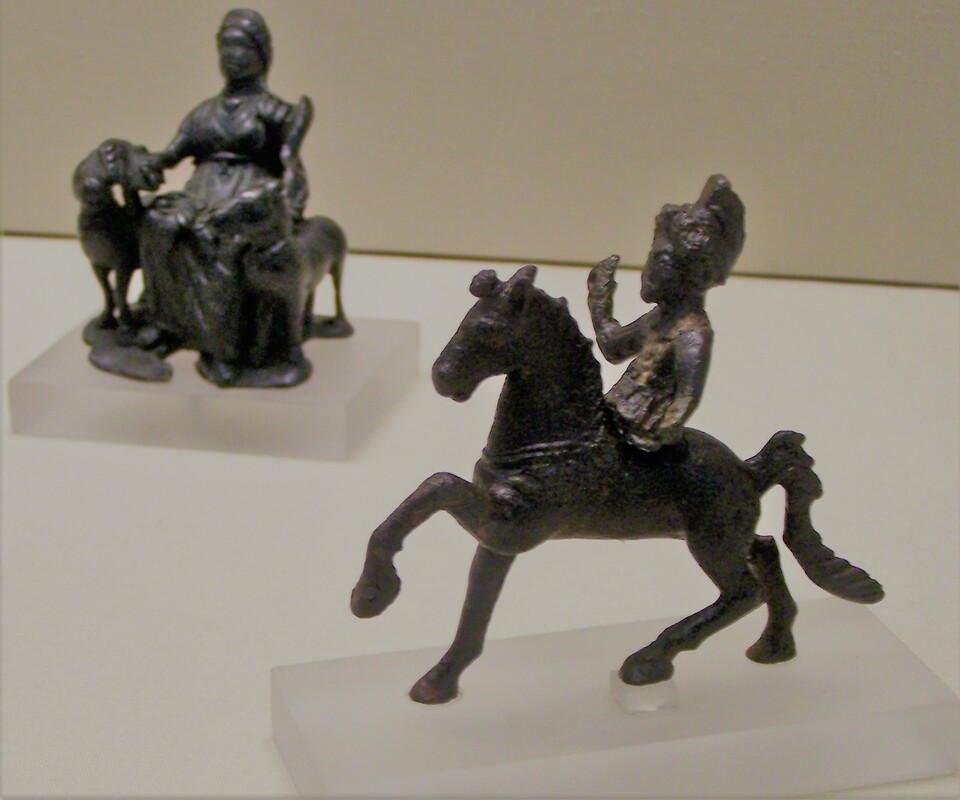
Celtic or Romano-Celtic God on Horseback (?)
More to come...
|
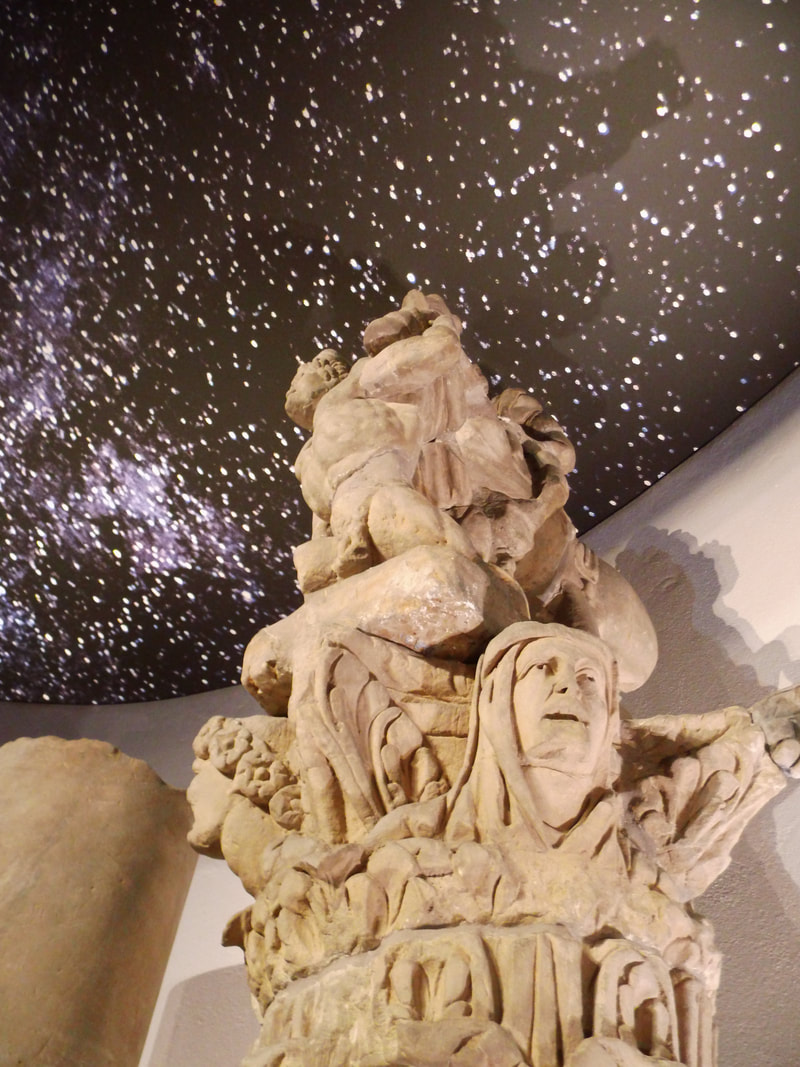
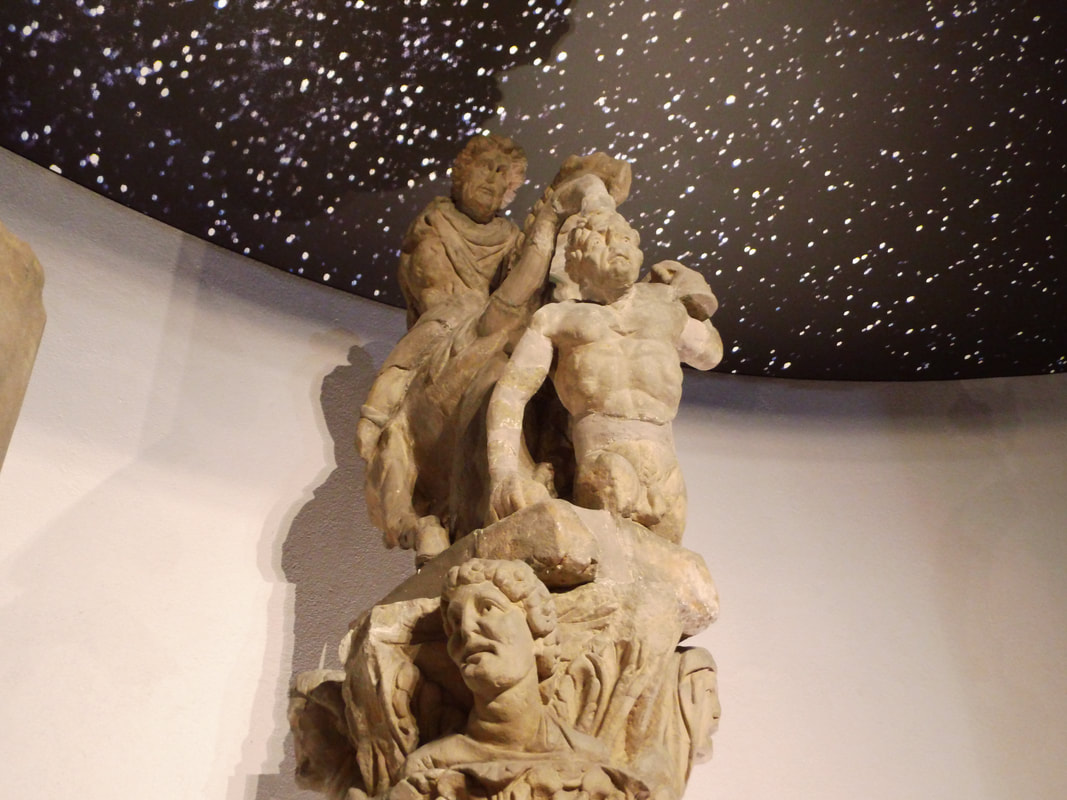
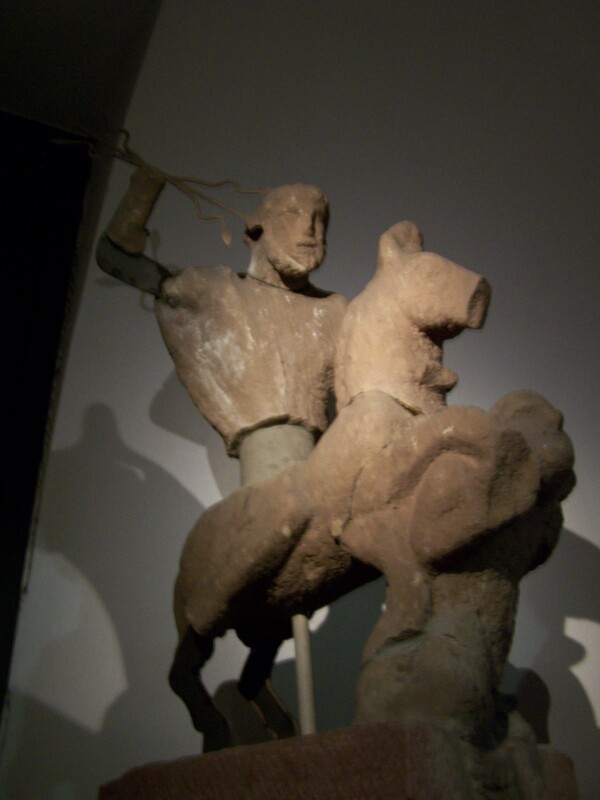
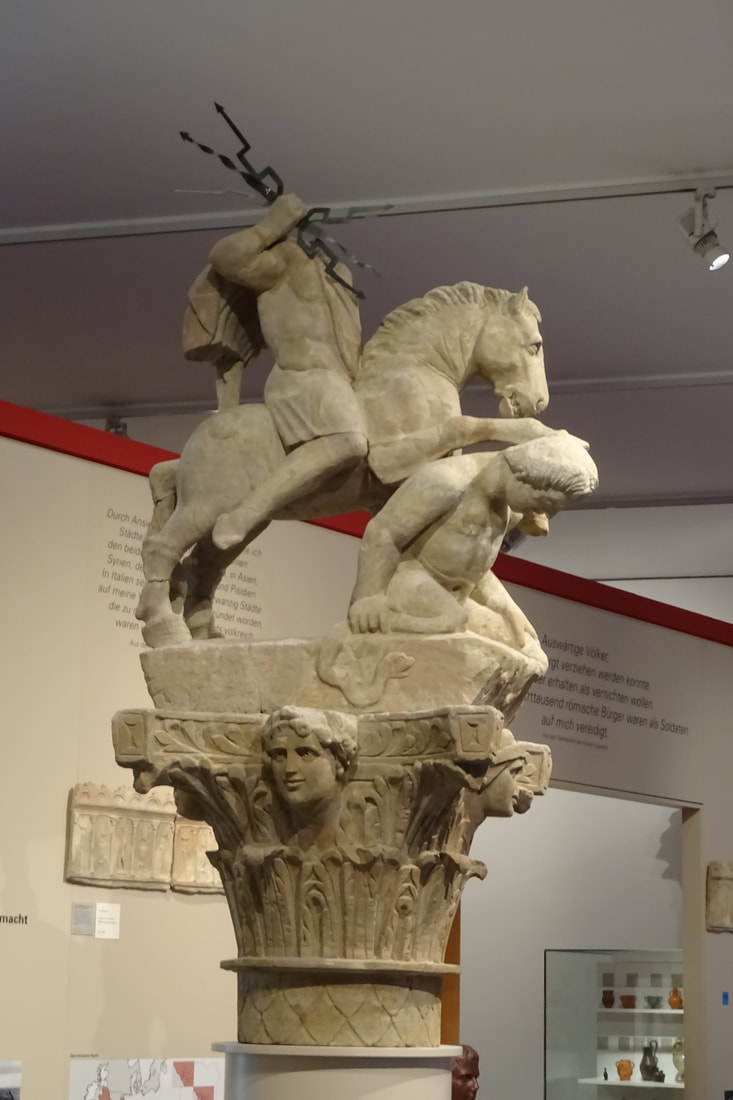
JUPITER/TARANIS | Male God on Horseback | Jupitergigantenreiter | La colonne du dieux à l'anguipède
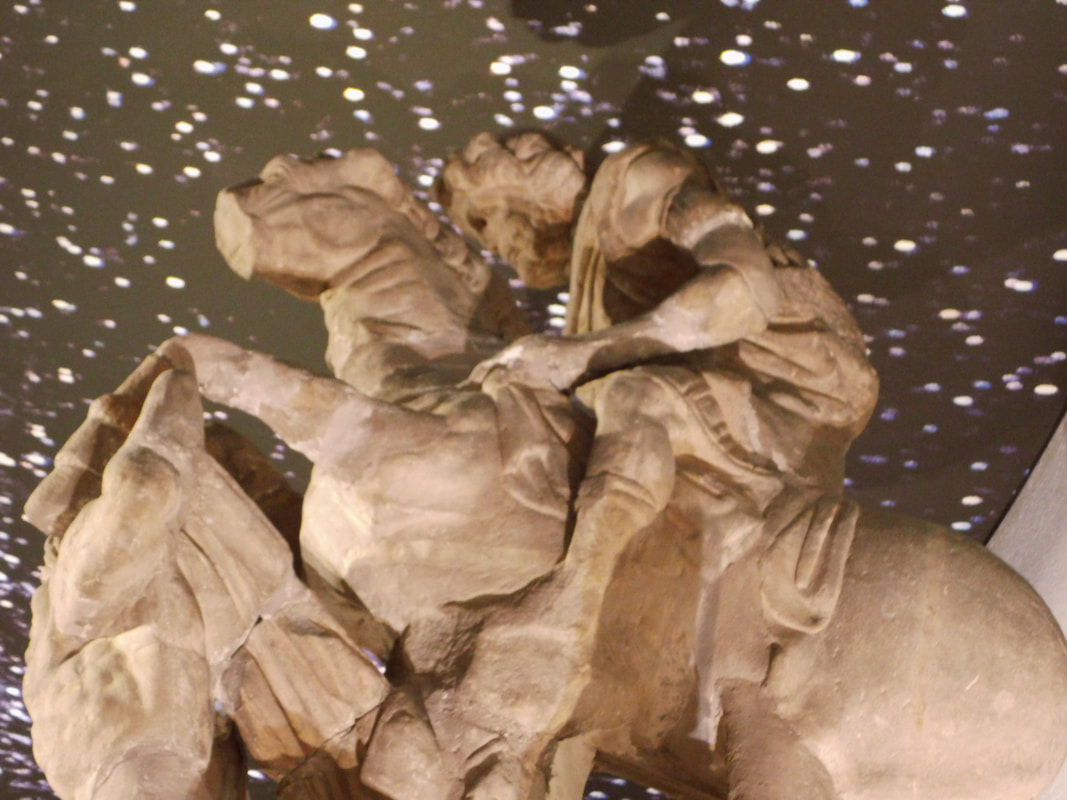
Unlike Epona, these sculptures show a male god - usually called after the Roman "Jupiter" - riding on a horse over a serpent-human hybrid monster. The god on horseback is a celestial deity, a sky god, while the 'monster' (or 'giant', 'titan') repreents the chthonic force.
Click on image for further information and to enlarge image.
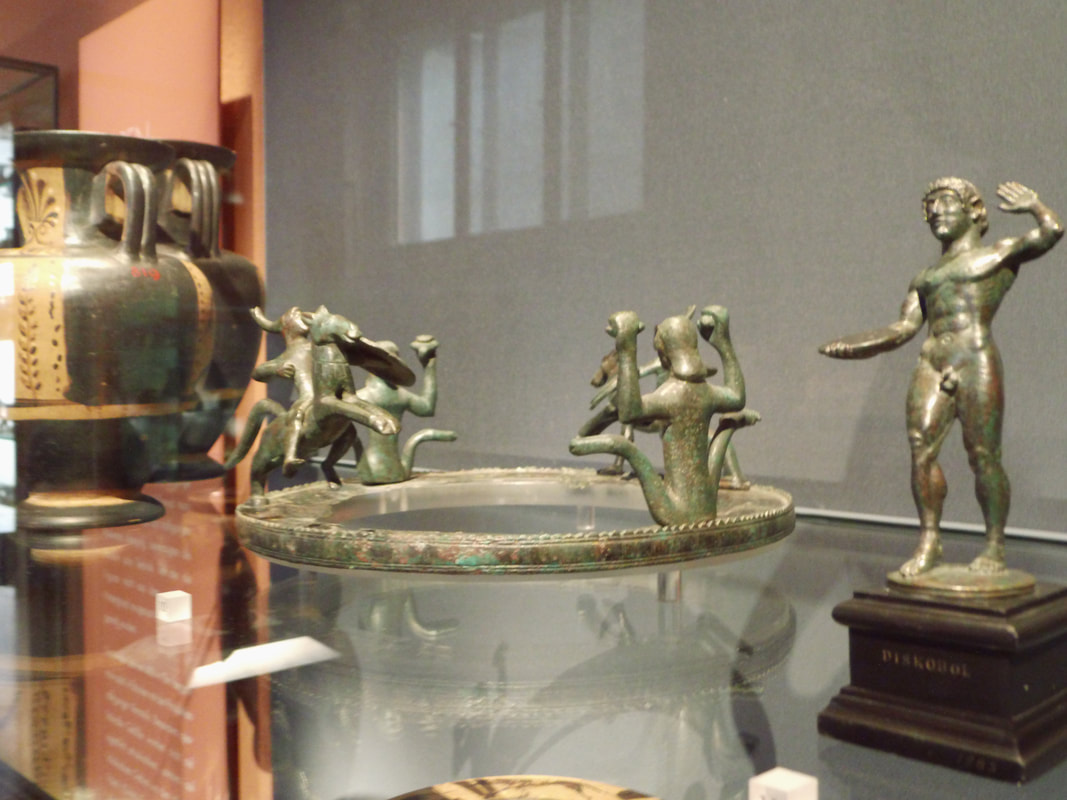
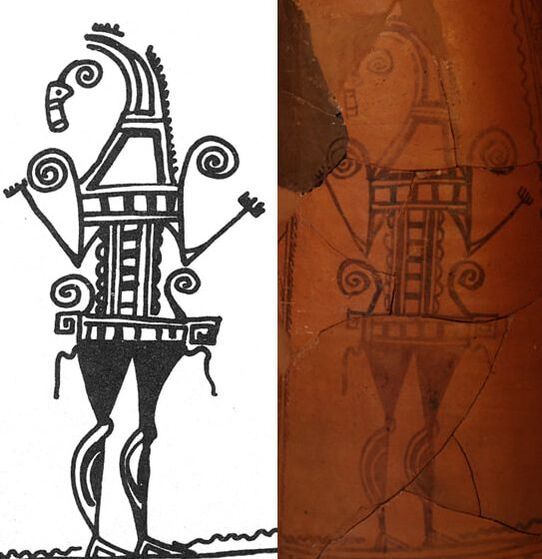
Probably completely unrelated, but in 5th century Campania (Italy), we find this combination between a rider and his horse and humanoid beings with snake-like legs (as always, please click on photos for more info).
Solar Deity | Solar Horse | Cheval Solaire
The Gallo-Roman "Jupiter" on horseback is a celestial deity, a sky god. In this repect, the Celtiberian idea of a solar horse provide food for thought.
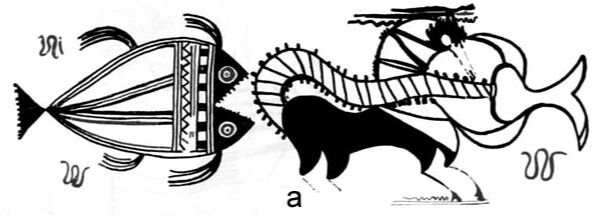
The solar horse chased by a fish-like creature across the night sky... From Burillo & Burillo 2017, in Celtic religions in the Roman period.
For futher reading on the Celtiberian solar horse and its iconography, see the paper: Pilar Burillo-Cuadrato & Francisco Burillo-Mozota (2017), Looking at cosmology through the lens of hermeneutics and semantics. In Haeussler & King (eds), Celtic Religions in the Roman period. Aberytwyth.
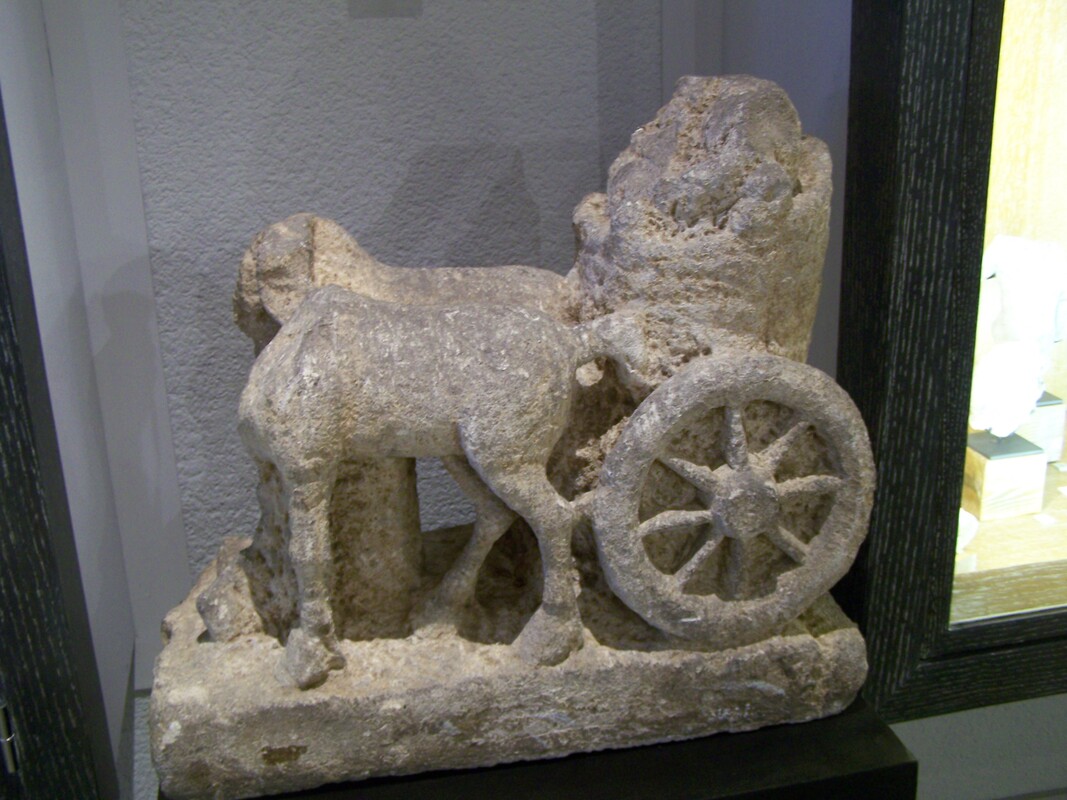
And in the Greek world, we find the solar chariot.
|



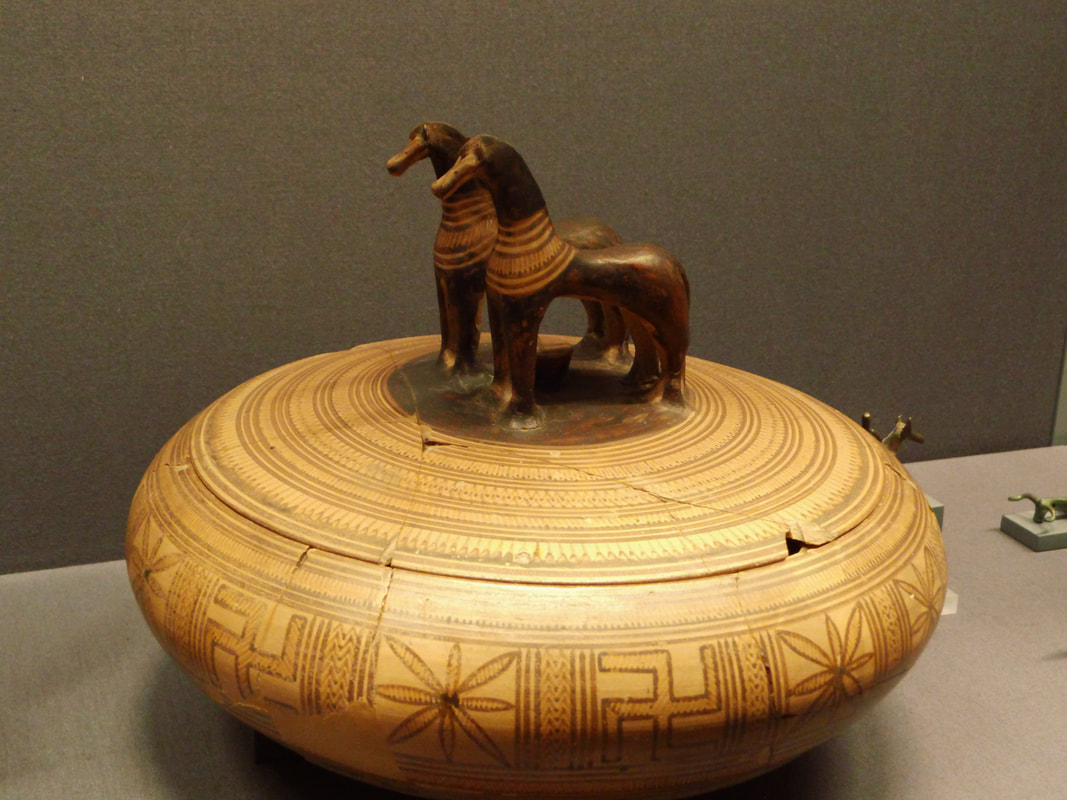

INDO-EUROPEAN HORSE-HUMAN HYBRID DEITIES
हयग्रीव // Hayagriva
An avatar of Vishnu is the horse-headed god Hayagriva in Hinduism, the god for knowledge and wisdom.
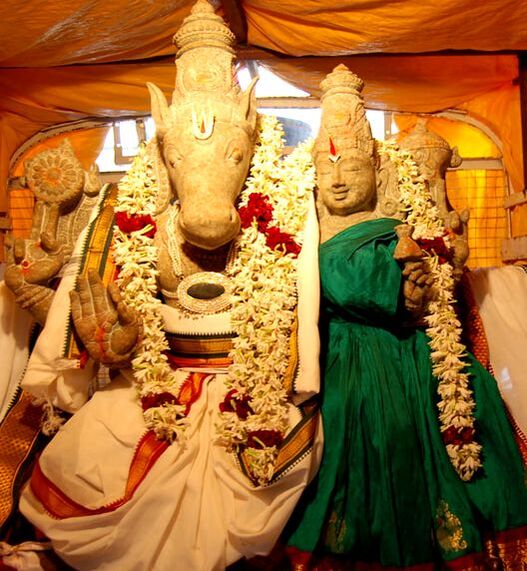
Sri Lakshmi Hayagreeva at Chennai, 2009, photo from https://lakshmihayagreeva.wordpress.com/
|
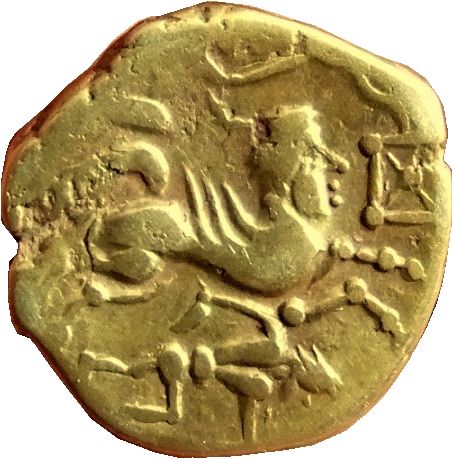
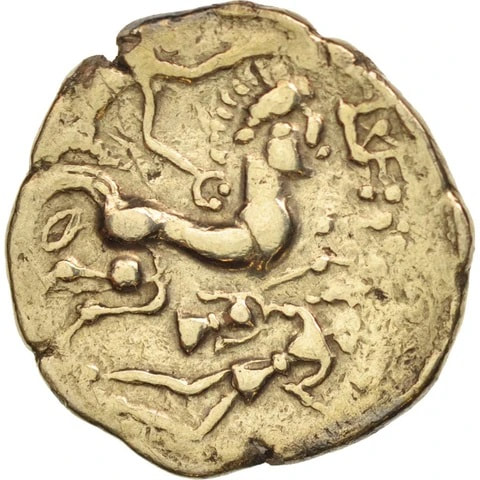
Celtic horse-human hybrid deities
We find a horse-human hybrid in 'Celtic' religions, like on these coins. This is the androcephallic horse, i.e. a horse with a human head.
|
Disclaimer: please surf at your own risk...
The information contained in this website is for general information purposes only. I endeavour to keep the information up to date and correct, but I cannot guarantee its completeness, accuracy, reliability or suitability. I am not responsible for any action taken as a result of the information or advice on my website.
Through this website you are able to link to other, external websites which are not under my control; these links are being provided as a convenience and for informational purposes only; the inclusion of any links does not necessarily imply a recommendation or endorse the views expressed within them, and I bear no responsibility for the accuracy, legality or content of the external site or for that of subsequent links. Contact the external site for answers to questions regarding its content.
Amazon Links: Some of the links for recommended books lead to Amazon website and include commercialisation.
Copyright:
The content and research of this website is protected by copyright. No portion of this website may be copied or replicated in any form without the written consent of the website owner. Many of the images on this page come from external sites: I have tried to find out the copyright owners of all the images on this page and I apologise if I missed someone or if I was not able to find the original sources/photographer/copyright owner. The site is still work-in-progress: sorry if I forgot to add a reference.
How to cite this page:
Ralph Haeussler
The information contained in this website is for general information purposes only. I endeavour to keep the information up to date and correct, but I cannot guarantee its completeness, accuracy, reliability or suitability. I am not responsible for any action taken as a result of the information or advice on my website.
Through this website you are able to link to other, external websites which are not under my control; these links are being provided as a convenience and for informational purposes only; the inclusion of any links does not necessarily imply a recommendation or endorse the views expressed within them, and I bear no responsibility for the accuracy, legality or content of the external site or for that of subsequent links. Contact the external site for answers to questions regarding its content.
Amazon Links: Some of the links for recommended books lead to Amazon website and include commercialisation.
Copyright:
The content and research of this website is protected by copyright. No portion of this website may be copied or replicated in any form without the written consent of the website owner. Many of the images on this page come from external sites: I have tried to find out the copyright owners of all the images on this page and I apologise if I missed someone or if I was not able to find the original sources/photographer/copyright owner. The site is still work-in-progress: sorry if I forgot to add a reference.
How to cite this page:
Ralph Haeussler
